Hope and Shelter for Street Children
Pray with us for provision of $4,000 to establish a safe sanctuary for street children. May every child receive protection, healing, love, and restoration.

Rescue • Education • Resettlement • Advocacy
Our May Newsletter ImpactWelcome to our May Newsletter.
We remain firmly committed to advocating for, supporting, and rescuing boys from life on the streets, as well as reaching those who find themselves in vulnerable and often overlooked circumstances. Many of these children continue to be affected by ghetto and gang influences, which have a deeply negative impact on a growing number of young people across Uganda.
This month’s newsletter highlights the meaningful progress achieved through our ongoing programs and initiatives. It reflects our continued efforts to provide children and youth especially the older boys with a new beginning in life. Through structured rehabilitation pathways, we are working to reintegrate them into education systems, enroll them in school where possible, and provide access to vocational training and life skills development. These opportunities are designed to restore hope, dignity, and long-term stability.
From education and healthcare to daily life within the program, May has been a period marked by steady progress, resilience, and a strengthened commitment to the well-being and future of the children in our care.
Children attended street outreach
Children rescued and resettled
Preventive interventions conducted
Children in day and boarding school
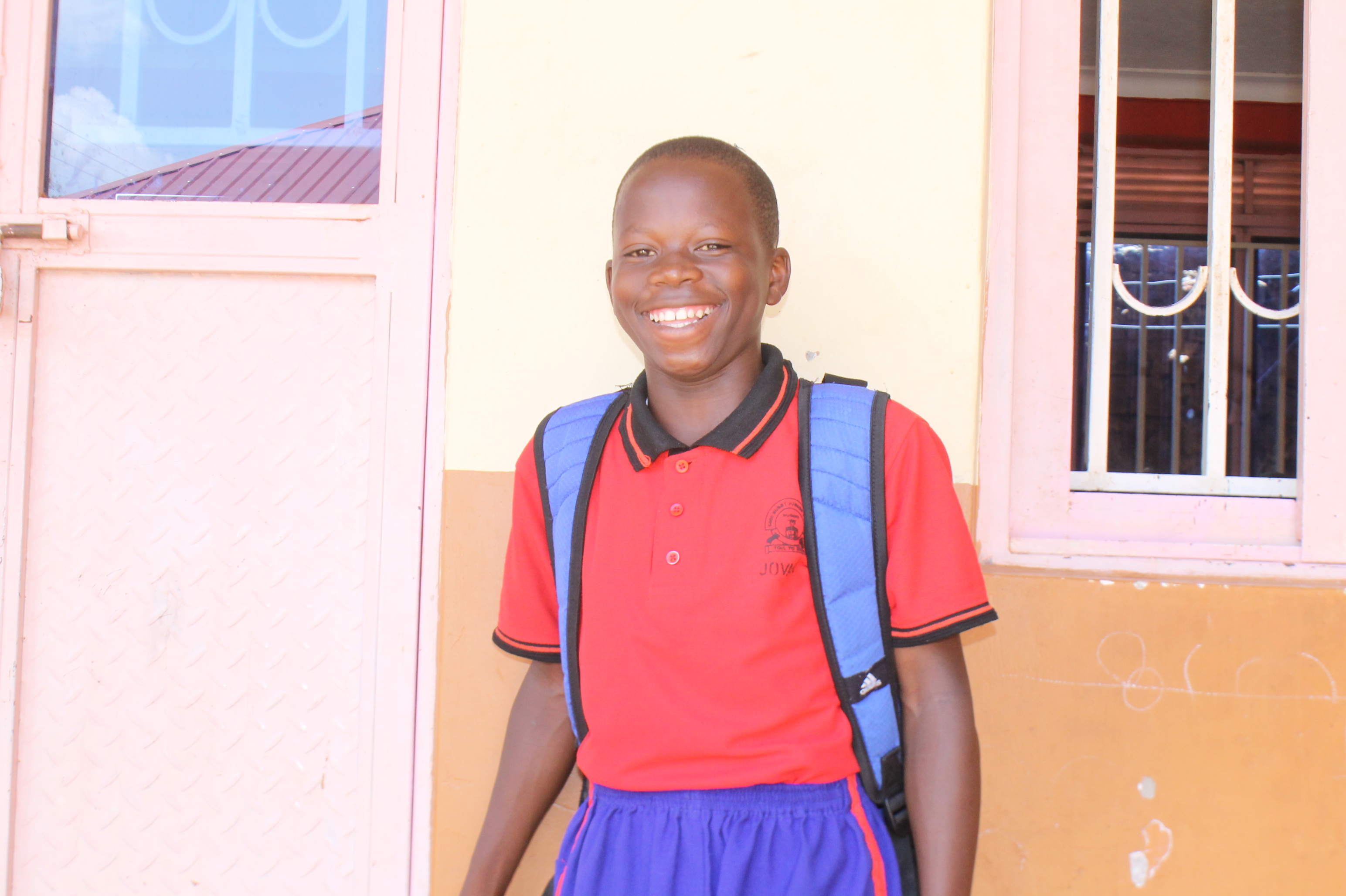
Jovan is 17 years old and dreams of becoming a professional athlete in the future. Football is his greatest passion, and he spends much of his time playing and training whenever he gets the opportunity. His early life was marked by hardship. During the initial COVID-19 lockdown, when curfew restrictions were being enforced, Jovan was among the children who were affected by government operations aimed at clearing the streets. Although he was young and released, he experienced violence during that period, which left a deep impact on his life. Despite these challenges, Jovan continues to show resilience and hope for the future. He shares that he enjoys rearing goats, a skill he learned from neighbors while living with his mother. Purple is his favorite color, and he proudly wears a purple sports jersey. He also enjoys watching films about children and magic, which he says bring him joy and inspire his imagination. Jovan is determined to return to school and improve his English, which he currently finds difficult to speak.
"Before joining Save Sunshine Shelter Kids, I spent most days on the going from one relative house to house. Today I attend school and dream of becoming a Foot ball player and Computer Engineer."
He speaks warmly about his mother, whom he considers his role model, and expresses gratitude toward his caregiver at the shelter, whom he respects deeply for guiding and supporting his learning.
He also shares a strong sense of faith, saying that God has been a source of strength and hope in his life. Jovan believes that God has helped transform his circumstances and is grateful for the positive changes he continues to experience at the shelter.
Today, Jovan remains focused on building a better future one shaped by education, discipline, and his dream of becoming an athlete.
The month of May was mainly focused on resuming the regular street outreach programs after spending much of April organizing activities for the International Day for Street Children, which involved numerous organizational meetings and preparations. The street children outreach programs have, for the most part, been running smoothly on Mondays and Wednesdays, except for Fridays when the number of children is considerably larger.
We are currently observing an increase in the number of new children compared to older boys, particularly within the 13 to 15 age group. This trend is largely influenced by older boys who encourage peers from their home villages to join street life in Kampala. Many of these children are drawn by aspirations of becoming musicians, as the presence of various dance and performance groups in the city creates the impression of opportunity and success, which significantly influences their decisions to migrate to the streets.
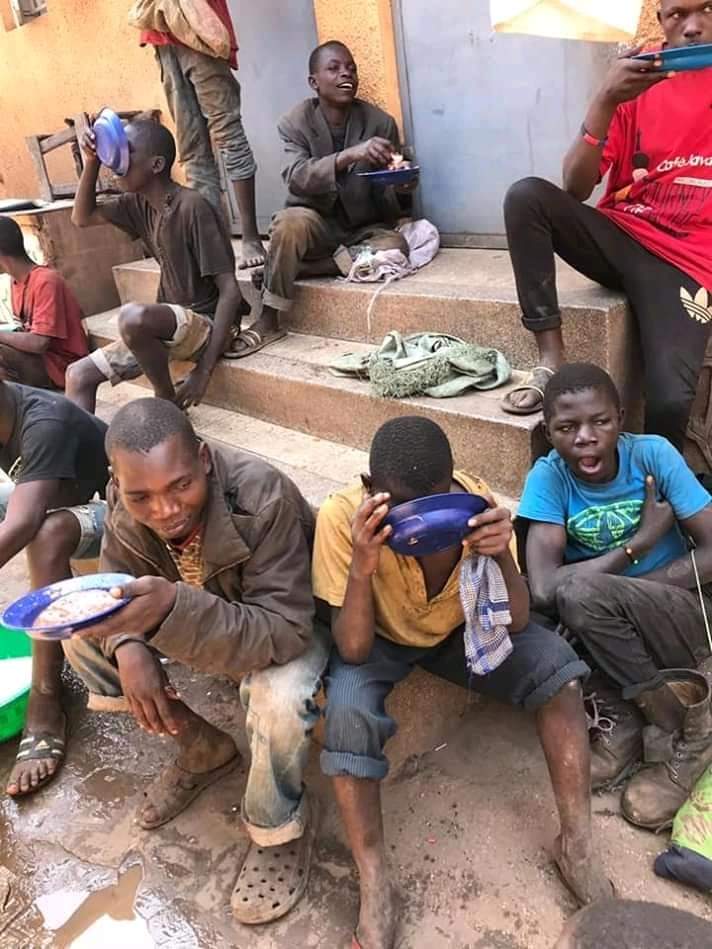
We are now operating farther from the city center, as ongoing demolitions continue to displace activities and push the programs into surrounding areas. As a result, many street children have lost their usual gathering and hiding places and have relocated to different communities, making it more challenging to locate and consistently engage them in program activities.
Consequently, transportation is often required to facilitate attendance, particularly on Fridays. On other days, sessions are conducted in a nearby field and a former church building, depending on availability and suitability for the program.
As attendance increases, program expenditures also rise significantly, particularly in relation to breakfast provision, water supply, sanitation facilities, and feeding support. The program is typically planned for approximately 80 children; however, when attendance exceeds this number, additional resources are required to adequately accommodate all participants.
Currently, cooked food is purchased only on Mondays, while on the remaining program days, meals are prepared approximately two hours before the children arrive. In addition, arrival schedules have been adjusted to reflect the varying modes of attendance, as some children arrive through organized transportation while others join progressively during the course of the program
The feeding program remained the central activity during outreach sessions. On most Mondays and Wednesdays, children were provided with cassava and beans, while one session included maize flour and beans. On Fridays, meals consisted of maize flour, beans, and cabbage.
During various interactions, many children expressed concern about the cold weather at night, with some requesting additional clothing for protection. Through support from friends and well-wishers, a number of sweaters and shirts were distributed to some of the children. However, the demand for clothing continues to exceed the available resources.
The behavior of the children has generally shown improvement compared to previous months. Incidents of public drug use have reduced, largely as a result of increased law enforcement operations targeting both suppliers and users. While some children may still be engaged in substance use, many have become more cautious and less open about such behavior. This has contributed to a calmer and more stable environment during outreach sessions.
The most commonly used substance that continues to affect the health of several children is aviation fuel. Its distribution is difficult to trace, as it is often acquired indirectly and stored in small quantities. However, there has been a noticeable decline in the number of children using it. As the city continues to undergo restructuring and development, access to illicit substances has become increasingly limited.
There have been several cases of illness among children attending the program such as illnesses including pneumonia, infected wounds, malaria, and other health, with some requiring medical attention before leaving the program center. In recent weeks, following the Ebola outbreak, public health facilities have become more accessible and actively engaged due to increased national attention on child health and infectious disease control. As a result, both street-connected and community children have benefited from free screening services and preventive interventions, which has helped reduce overall medical expenses for the program. However, one of the main challenges has been managing hospital care when multiple children require admission at the same time. The most common health conditions reported have included pneumonia, infected wounds, and one case involving a persistent rib related injury that remains under observation. Children diagnosed with malaria were treated with medication and discharged accordingly.
Friday programs continued to operate successfully. Children were given time to rest after arrival, provided they washed their clothes and participated in hygiene activities. Volunteer barbers visited the program and offered free haircuts and nail care services, making a meaningful contribution to the children's well-being.
During one session, the film GIANT was shown to encourage reflection on discipline, personal choices, and future aspirations. Combined with the distribution of clean clothing, haircuts, and improved hygiene support, these activities helped reduce stigma and strengthen the children's confidence within their communities.
The children continue to make encouraging progress in their behavior and character development. We have observed increased levels of discipline, respect, cooperation, and appreciation among them. They are learning to relate with one another in a positive manner, creating a more supportive and peaceful shelter environment. The boys have shown noticeable improvement in their interactions and conduct. They are becoming more considerate, cooperative, and calm when dealing with one another. Through continuous guidance, they are learning to express themselves better, handle conflicts peacefully, and build healthier friendships. The girls continue to excel in developing practical life skills and personal responsibility. They actively take part in household duties, keep their belongings organized, and assist with various daily tasks, including meal preparation. Their commitment to teamwork and responsibility contributes greatly to the smooth running of the shelter. Participation in daily chores remains an important part of the rehabilitation program.
The children are assigned responsibilities according to their age and ability, helping them develop independence, accountability, and a strong work ethic. They continue to show improvement in carrying out their duties and supporting one another. Mentorship and counseling activities remain valuable tools in the children's personal development. Regular sessions with former street children who have successfully transformed their lives provide encouragement, practical advice, and positive role models for the children. Additionally, a mentoring pastor continues to visit the shelter on a monthly basis, offering spiritual guidance and emotional encouragement. These visits help strengthen the children's confidence, inspire hope, and encourage them to pursue positive goals for their future. Overall, these mentorship and counseling programs continue to foster emotional growth, strengthen self-esteem, encourage positive decision-making, and support the ongoing transformation of the children.
The one month holiday has been quite occupied and busy for all the children. It was also busy for the secondary school students due to the change in the education curriculum, which is more hands on. The primary children continued with their holiday studies throughout and only had a one week holiday to finish up the holiday question booklet and then go through all their books for signing. This is basically a supervision technique to ensure they are all doing their classwork, as boys struggle the most with both home and classwork.
The holiday books are different from the class books and weekend books, making it possible for each child to have more than 18 books. It took at least four nights to finish reviewing all 16 children whose schools require this supervision to be done by the parents. The girls are more organised and do their revisions and classwork better than the boys. After the whole thorough process, the only warnings were given to the boys who turn the books into cartoon and sports illustration books, which is a common playful boys' mechanism. The signing of all the books was fully done and completed.
Because most of our children attend boarding schools, they returned home for the holidays with their school materials. Unfortunately, this led to a widespread infestation of bedbugs in a number of mattresses, resulting in a significant loss. Fumigation could not save the already infected mattresses, so we found it best to dispose of all the affected mattresses and start afresh. This is where the urgency lies, to obtain new mattresses for both the girls' and boys' shelters.
The cost of funding one full decker bed, including three mattresses, three pairs of blankets, three pairs of bed sheets, and three pairs of towels, is $176. We would greatly appreciate anyone willing to support the bedding needs of the shelter. We currently have about 26 decker beds in need of support. You are welcome to fund one decker bed or even more.
The children continue to rehabilitate and grow within the shelters, learning appropriate social behaviors and life skills. This remains an everyday process, as each child’s transformation happens at a different pace and requires patience, consistency, and support.
Many children are approaching the age where they would typically transition out of the rehabilitation program. However, with some resettlement efforts failing, we are left with no choice but to ensure that they remain safe by returning them to the shelter as we continue to explore suitable measures and solutions for their future.
Many children continue to work on themselves, especially the boys, who often struggle with settling into school and adapting to structured environments. Life on the streets has greatly affected their academic progress and created a strong sense of independence without consistent discipline. Adjusting to shelter life, where rules, routines, and regulations are mandatory, remains a significant challenge for them. However, with continued guidance, support, and rehabilitation, they continue to make progress in their personal growth and development.
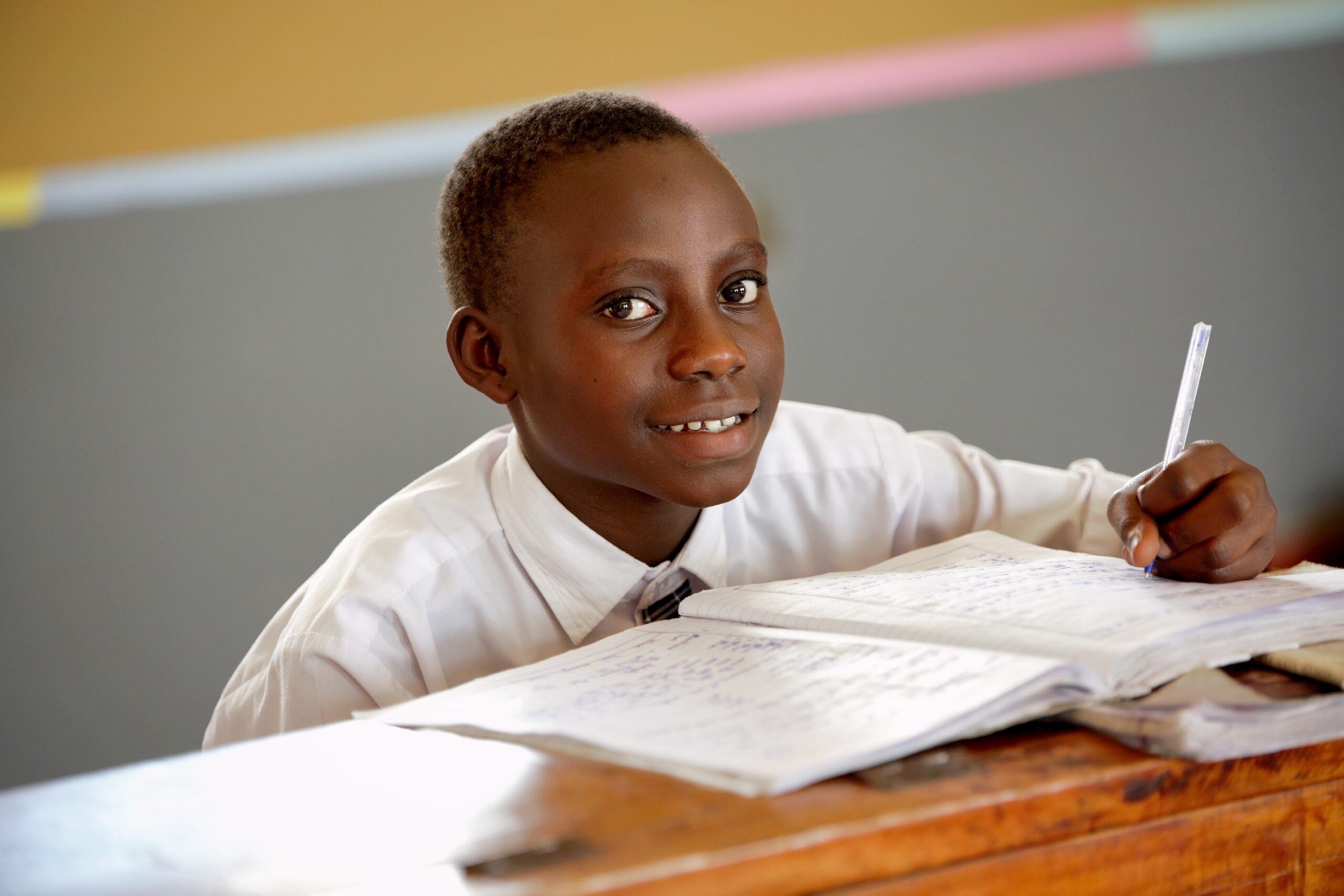
Education remains one of the most significant and transformative aspects of the children's lives, w hich is why we continue working diligently to ensure that every child has the opportunity to attend school. Since the conclusion of the previous term, preparations for the new school term have brought both progress and ongoing challenges.
While the first cohort of children successfully reported back to school, a significant number have not yet resumed due to outstanding school fee balances and the costs associated with meeting school requirements, which we are still working to fulfill.
The children who returned to school reported with the compulsory scholastic materials and requirements requested by their respective schools, including items such as reams of paper, toilet paper, and medical fees. However, many of the boarding children have not yet received their personal basic necessities, and efforts are ongoing to provide these essential materials as resources become available.
For the children in primary school, there remains a considerable school fee balance that must be cleared to enable full attendance. The situation is similar for the secondary school students, particularly those with outstanding balances carried forward from the previous term. As a result, only the children whose fees have been fully or partially cleared have been able to attend classes and participate fully in school activities.
Despite these challenges, we have continued receiving report cards from the previous term for those children whose school fees were successfully paid. The academic reports received so far indicate encouraging progress among many of the children. While some continue to face learning difficulties, particularly in foundational reading and writing skills, there is evidence of gradual improvement and increased commitment to their studies.
Some of the struggling children continue to face significant challenges in learning, particularly in understanding and interpreting questions written in English. In many cases, they require the questions to be translated into Luganda before they can respond appropriately. The primary challenge is not a lack of knowledge, but rather difficulty comprehending English instructions. Once the questions are translated, they are generally able to complete the tasks correctly.
Since examinations are conducted in English and are not translated into Luganda, developing a strong foundation in English remains essential for their academic success.
Our greatest hope has been for the learners themselves to participate in the decision regarding whether they should repeat a class or return to a lower grade next year. Such a decision would help them appreciate the importance of building a solid foundation in language and grammar.
Had the decision been made entirely on their behalf, they might not have fully understood or accepted the reasoning behind it. By taking part in the process, they are more likely to recognize the value of strengthening these foundational skills before progressing further.
Particular attention continues to be given to children who were recently resettled into new schools. Although adjusting to new learning environments remains challenging for some, many are gradually settling in and becoming more comfortable with their teachers, classmates, and academic expectations.
Another area that continues to require attention is the provision of school uniforms. Several children attended the previous term without complete uniforms, and efforts are being made to ensure that all children are properly equipped in accordance with school requirements. This remains especially important for those who transferred schools and must meet the uniform standards of their new institutions.
Behaviorally, the children continue to show positive growth. Most of the primary school children are adapting well and demonstrating improved discipline and responsibility. While some challenges remain among a few of the older boys, there has been encouraging progress compared to previous terms.
Although financial constraints continue to affect enrollment and school attendance for some children, we remain hopeful that with continued support, every child will have the opportunity to access education and continue moving toward a brighter future.
Looking ahead, our priority remains ensuring that all children are able to resume school without interruption, complete their educational requirements, and continue building on the progress achieved so far.
Total Boys
Regular Attendance
Focused & Concentrated
Transition Ready
Irregular Attendance
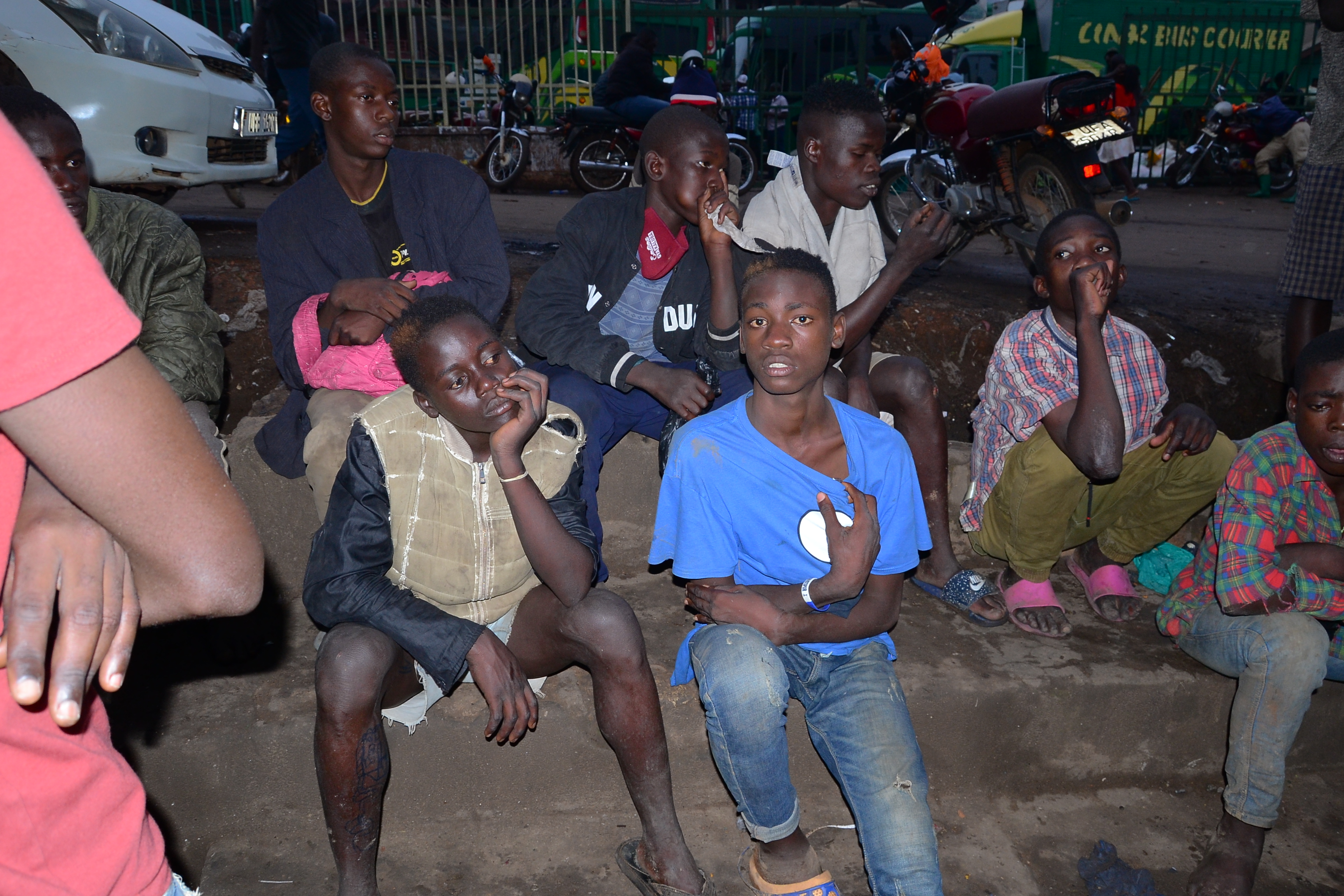
The sessions are held in the evenings and take place at various locations, including outdoor gardens and restaurants, depending on the number of participants and the suitability of the venue. At the end of each session, the boys collectively discuss and agree on the location for the next counseling meeting, which helps encourage ownership, participation, and commitment to the program.
His transition has created renewed hope among the remaining participants. Several boys who were previously uncertain about rehabilitation have expressed greater interest in vocational training opportunities and future placement within the Independent Living House Program. Seeing a peer successfully move toward rehabilitation has helped make the process more tangible and achievable in their minds.
As the program moves forward, preparation is underway for the next group of boys who may qualify for placement into vocational training and independent living support. Individual assessments are being conducted to determine readiness levels, personal interests, educational backgrounds, and vocational pathways that can provide sustainable opportunities for self reliance.
The program remains an important entry point for rehabilitation among older street youth and continues to create opportunities for transformation.
The joy of successfully reintegrating lost children with their families.Over the past two months, we have successfully reunited at least six children who had been separated from their families. This achievement has brought immense joy and relief to both the children and their loved ones.
Three of the children had been taken away from their homes by housemaids who intended to target the children’s parents, while the other children became separated from their families after following music bands, dances, and moving community groups.
Through our efforts in tracing, supporting, and reconnecting these children with their families, we have restored hope and happiness to many households. We remain committed to protecting children, preventing separation, and ensuring that every child has the opportunity to grow up in a safe and loving family environment.
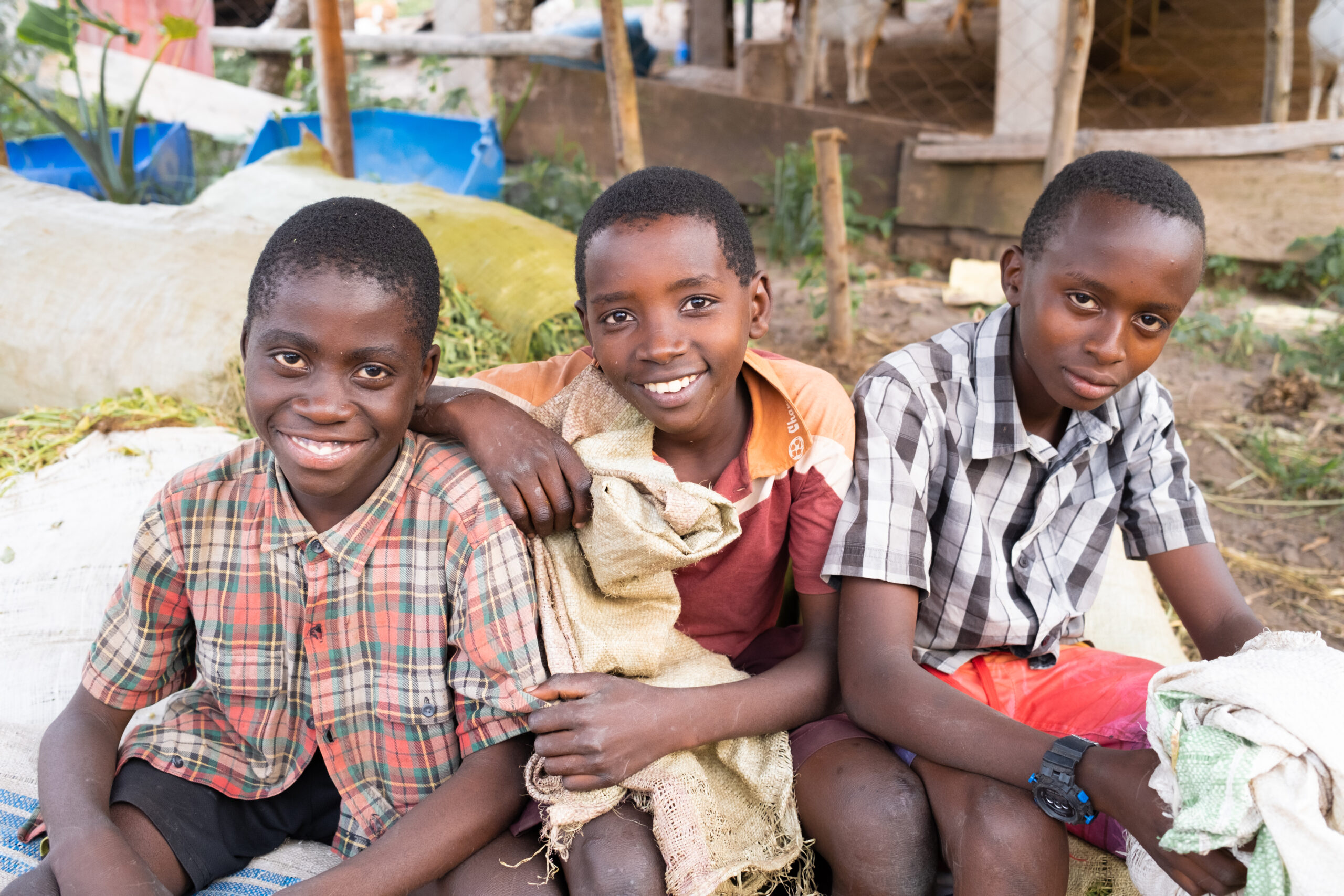
Our resettlement program is currently facing significant challenges. The situation is deeply emotional and difficult to adequately describe. Many parents are often part of the recovery and rehabilitation process.
At the same time, some of the street-connected children do not always behave as expected, although this
Many parents and guardians are overwhelmed by economic and behavioral challenges and feel unable to manage their children. Although school fees were paid for resettled children to support families, many still face significant difficulties. The ongoing city demolition and restructuring have added immense pressure, causing some parents and guardians to return children to the streets even after long periods of successful resettlement.
This is a concerning setback that undermines resettlement efforts, requiring renewed support for previously resettled children, those in shelters, and others still undergoing rehabilitation before returning home. Many parents face difficult circumstances and, despite wanting the best for their children, some believe they will have better opportunities elsewhere. This highlights the severe challenges families face and, in some cases, limited awareness of parenting responsibilities and available support systems.
Through the numerous follow-up visits we have conducted, it has become evident that many families are going through extremely difficult periods. In some cases, we have personally contributed towards monthly rent payments to help families maintain stable housing. Others regularly contact us seeking support and guidance.
Another challenge has been the enrollment of children back into school. Some parents have become frustrated when children are not immediately re-enrolled after school holidays. In certain instances, parents and guardians have reported us to local chairpersons, believing that we had failed to return their children to school.
This has been surprising and concerning, particularly because enrollment is carried out in phases and cohorts to ensure fairness and proper management of the process. These reactions demonstrate the level of stress, anxiety, and expectation within many family settings.
Parents and guardians continue to experience significant emotional strain and frustration, particularly around rehabilitation timelines and school re-enrollment processes. Managing expectations remains challenging, especially when priority is given to children in examination classes, leading some families to feel overlooked.
While these circumstances can result in criticism and occasional threats, such reactions are often rooted in difficult living conditions and desperation. Through patience and understanding, we have found that concerns generally decrease once children are successfully re-enrolled in school and begin making progress.
Working with both guardians and children is extremely demanding. When combined with the financial hardships affecting many families, the complexity of the resettlement process becomes even more apparent. Despite these challenges, continued support, patience, and collaboration remain essential to achieving lasting success for the children and their families.
Our advocacy efforts during this period have remained focused on one of the most pressing challenges facing our communities: the growing number of children living on the streets. Engagement has centered on the children themselves, their families and places of origin, and the wider communities affected by this issue.
We have participated in numerous advocacy meetings related to street children, with a particular focus on identifying opportunities for collaboration that can strengthen rescue efforts and improve coordination among organizations working to remove children from the streets.
While these workshops and advocacy initiatives have provided valuable opportunities for dialogue, they have yet to produce the tangible outcomes many stakeholders had anticipated. This remains a source of concern, especially given the commitments that are often expressed during discussions. In several instances, follow up engagement has revealed a gap between commitments made publicly and the actions taken thereafter, which continues to hinder progress and limit the effectiveness of ongoing interventions.
Despite these challenges, there have been encouraging developments. Several individuals and partners have provided meaningful support in the area of vocational training, including recommendations for quality skills development programs. Constructive discussions have also taken place regarding collaborative approaches to reducing the number of older children and youth living on the streets.
To facilitate these efforts, we hosted one stakeholder meeting at our office. However, due to ongoing construction works, future meetings will be held at alternative venues to ensure continued engagement and collaboration with partners and community stakeholders.
Another area of concern is the continued rise in police arrests involving street-connected children. While various allegations and narratives are often associated with these arrests, our experience suggests that many of the children involved have limited capacity or experience to organize and carry out the crimes for which they are frequently accused.
This underscores the importance of child sensitive approaches, careful assessment, and a stronger emphasis on protection, rehabilitation, and reintegration.
A number of stakeholders remain actively engaged and continue to contribute wherever possible. However, we have observed that many organizations place significant emphasis on tracking statistics, such as the number of children on the streets or enrolled in programs.
While data collection is important, there remains a critical need to balance quantitative reporting with meaningful interventions that create lasting change in the lives of vulnerable children and young people.
Stand with us in prayer as we continue restoring hope, protecting children, and transforming lives.
Pray with us for provision of $4,000 to establish a safe sanctuary for street children. May every child receive protection, healing, love, and restoration.
Pray for wisdom and guidance as we reunite children with their families and make decisions that protect their future.
Pray for integrity, unity, and responsibility as we manage resources entrusted to this ministry.
Pray for safety, emotional healing, and strength for every child under our care.
Pray for provision of the school fees this term of $7,870 and upcoming school fees, books, and learning materials.
Pray for faithful monthly partners who can help sustain our centres and long-term child care programs.